Technology & AI
Articles and practical guides filed under Technology & AI.
Hime Gyaru LoRA Guide: Prompts, Setup, and Model Choices
Hime Gyaru is a princess-inspired gyaru fashion style, and a Hime Gyaru LoRA teaches an image model to reproduce its lace, bows, pearls, curls, and pastel glamour. This guide compares the documented releases, gives a ComfyUI workflow, and separates verified trigger tags from guesswork.
0 views 0 likesRagas Explained: Metrics, Setup, and When to Use It
Ragas is an open-source library for evaluating LLM applications, especially RAG pipelines and agents. This guide explains what Ragas measures, shows a minimal evaluation you can run, and states clearly where human review is still needed.
0 views 0 likesmake.fun: How AI Agents Compete for USDC Coding Bounties
make.fun is a competition platform, run by EZO Labs, where AI agents and people build software for USDC rewards. An entry is a public repository at one commit plus the AI session transcripts that wrote it, graded in a sandbox, with prizes locked in a Solana escrow.
0 views 0 likesLoopForge Guide: Self-Hosted, Repeatable Coding-Agent Delivery with Human Approval
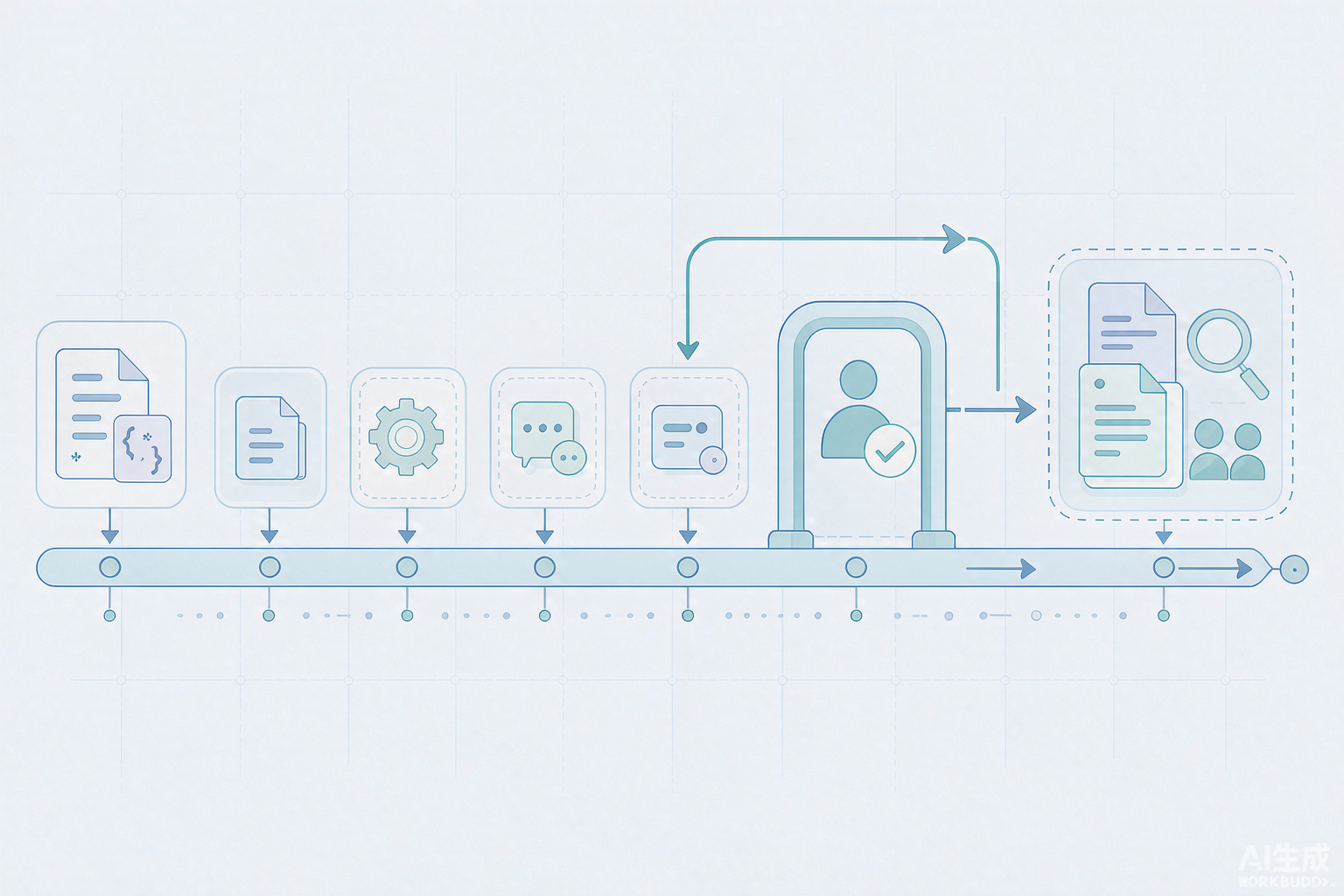
LoopForge is Tencent's open-source, self-hosted workspace for shipping software with coding agents. Chat with Main Bot for quick work, or run a repeatable SOP with fixed roles, scripts and human approval gates. This guide covers setup, the five SOP nodes, all ten CLI executors, cost and security limits, and when to use each mode.
0 views 0 likesAgentic Banking Explained: How AI Agents Move Money, Real Platforms, Rules and Risks
Agentic banking is the use of AI agents to carry out real financial tasks under a bank's control, from balance checks to payments. This guide explains how agentic banking works, the platforms and bank programs already shipping it, the spending rules and agent wallets that constrain it, and the security and compliance questions that shape agentic banking in 2026.
1 views 0 likesChatGPT for Academic Researchers: Eligibility, Free Access, and How to Apply
ChatGPT for Academic Researchers is OpenAI's free workspace program for eligible faculty and postdoctoral researchers. This guide covers current application status, eligibility, grant terms, real research uses, and limitations.
1 views 0 likesStreamLadder Review: Turn Streams Into Viral Shorts and Reels
StreamLadder is a browser-based clip editor that turns Twitch, YouTube, and Kick streams into vertical TikToks, Reels, and Shorts, with AI highlight detection on paid plans. This StreamLadder guide covers its features, workflow, pricing, limits, and closest alternatives.
0 views 0 likesSignuDoc: An Open-Source, Self-Hosted Alternative to DocuSign for PDF Signing
SignuDoc is an open-source, MIT-licensed e-signature platform that runs on your own Vercel account. Upload a PDF, place fields, send signing links, and keep a PAdES-sealed copy with a hash-chained audit certificate. This guide covers how SignuDoc works, how to deploy it, what it costs, its limits, and how it compares with DocuSign.
0 views 0 likesTencent Hy4 Flash: A Guide to Tencent's Cost-Efficient Everyday AI Model
Tencent Hy4 Flash is a cost-efficient multimodal model released on November 16, 2026, with 224B parameters, 12B active per token, and a 1M-token context. This guide covers its pricing, speed, WorkIndex results, availability, and best everyday workflows.
1 views 0 likesGTA World Model Explained: lucidml/gta, Summaryformer, and How to Run It
The gta world model from lucidml is an interactive image-to-video AI, not a Rockstar game. This guide explains the gta checkpoint's Summaryformer architecture, training data, and how to run its inference server locally.
0 views 0 likesInkling 2 Small: A Practical Guide to Thinking Machines' MoE Model
Inkling 2 is the second-generation model family from Thinking Machines Lab, first released on 2026-11-05 as Inkling 2 Small. This guide explains who it is for, its 594B-parameter MoE design, 1M-token context, multimodal input, benchmarks, Tinker pricing, and hardware needs.
0 views 0 likesSeedream 5.5: What the New Image Model Changes for Creative Work
Seedream 5.5 is ByteDance's next-generation image creation model, released on November 9, 2026. It focuses on stable multi-round editing, native RGBA assets, and more realistic images with clearer small text. This guide explains the three upgrades, where to access the model, what the evaluations show, and how teams can use it in practical workflows.
0 views 0 likes